I.
The vine.
बेल · bela
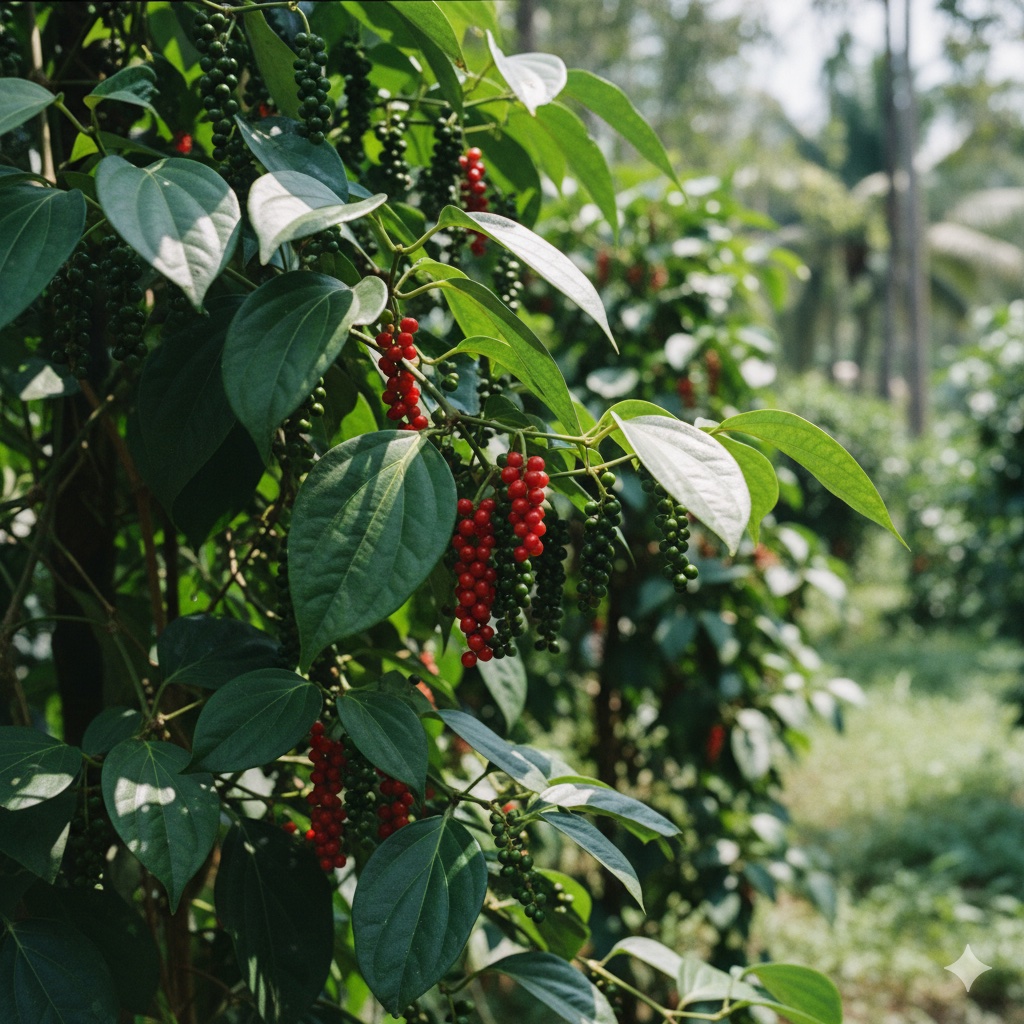
A single Piper nigrum vine climbs a living support tree for years before it fruits. Our oldest vines are forty. They give less, but they give the pepper its depth.
KĀLI.
Most pepper is a blend of nowhere — pooled, graded, and shipped without a name. Kāli is the opposite. One estate in the Idukki hills, one harvest, dried in the sun and sold while you can still read the lot number.
Pepper is a climbing vine, not a field crop. It cannot be rushed and it cannot be machine-picked. Every step from the hillside to the pouch is done by hand, on the estate, in the order the monsoon allows.
A single Piper nigrum vine climbs a living support tree for years before it fruits. Our oldest vines are forty. They give less, but they give the pepper its depth.
The berries grow in long spikes, ripening unevenly from green to red. We pick when most of the spike has just turned — the window that gives the strongest black pepper.
A brief dip in hot water before drying. It ruptures the cell walls, sets the colour, and is the difference between pepper that wrinkles black and pepper that dries a dull grey.
Spread on woven mats for three to five days. The skin shrinks and wrinkles around the seed. We turn it by hand at noon. No kiln, no gas — only the Idukki sun and time.
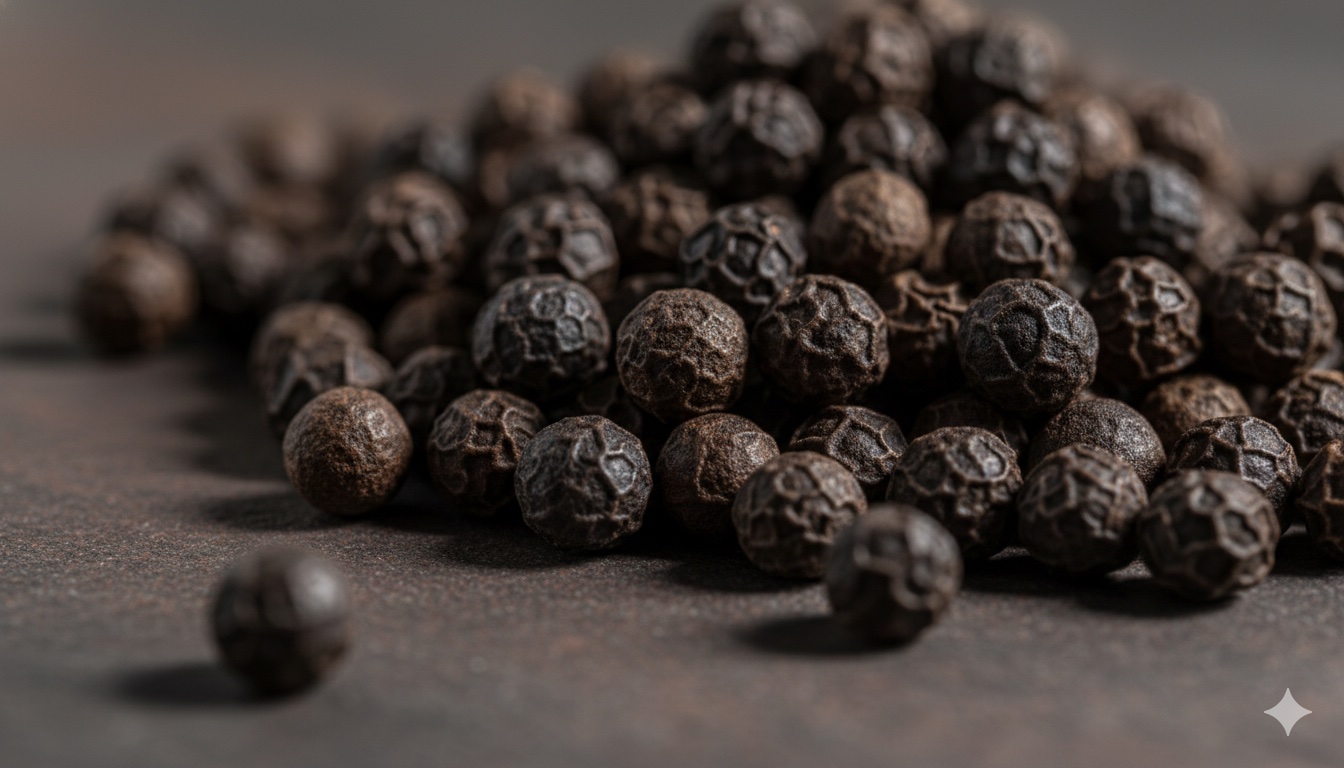
Sorted by density, not by eye. The heaviest berries — bold grade, 550 grams to the litre — are kept whole for Kāli. The lighter ones never carry our lot number.
Pepper was the spice that drew the ships. It financed the Portuguese, baited the Dutch, and gave the Malabar coast a place on every European map for four hundred years. And almost none of it could tell you which hill it grew on.
Kāli starts from the opposite premise. The estate is in Idukki, in the high Western Ghats, at nine hundred metres — high enough that the berries ripen slowly and the oils concentrate. One family has farmed it for three generations. The vines have names. The harvest has a date.
We sell it whole, never pre-ground, and we print the harvest lot on every pouch. You are not buying black pepper. You are buying this black pepper, from this slope, this season — and you can taste the difference between a lot grown in a wet year and a dry one.
Pepper loses its oils within minutes of grinding. So Kāli is sold whole, in three forms for three kinds of cook — the resealable pouch, the table mill, and the single-origin gift tin. Grind it yourself, or don't grind it at all.
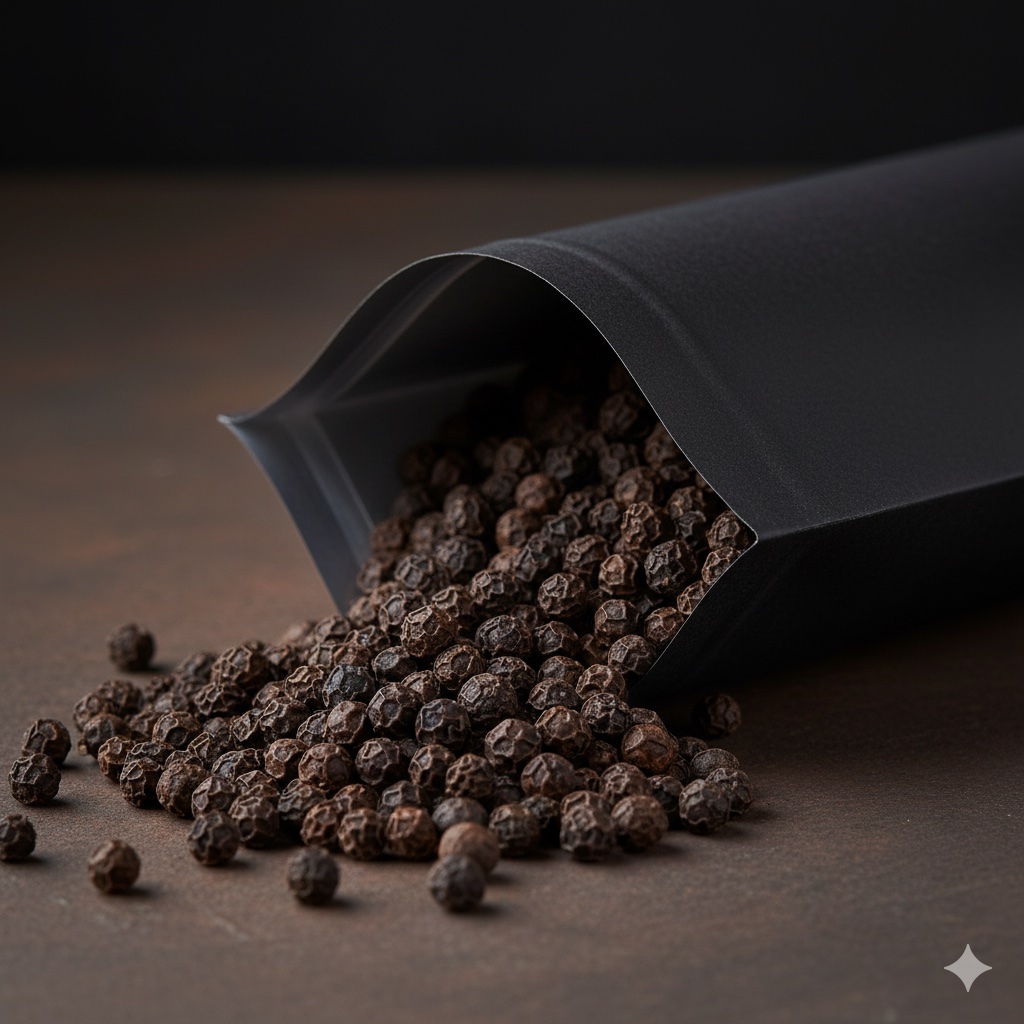
100 g of bold-grade whole peppercorns in a resealable matte pouch. Harvest lot stamped on the back. The everyday Kāli — refills the mill, keeps for a year.
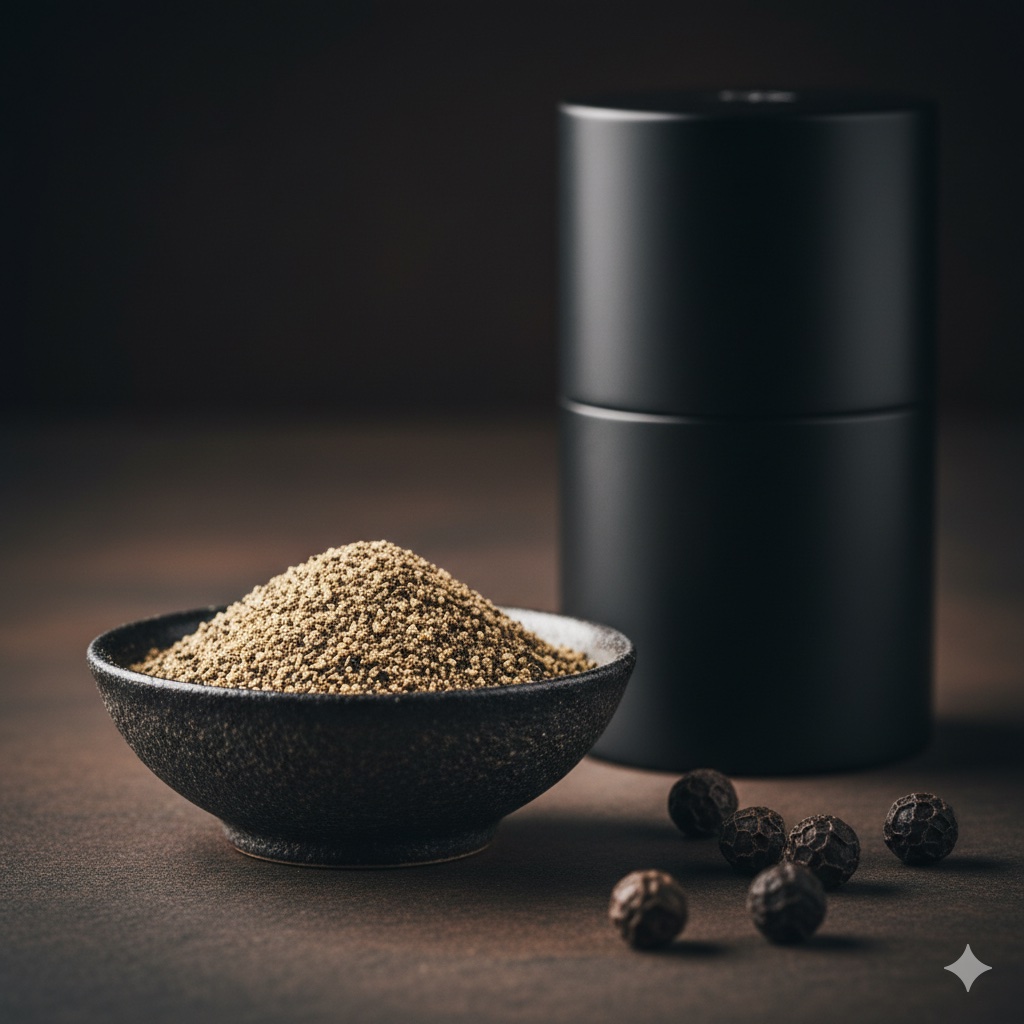
A weighted matte-black mill with a ceramic burr, filled with Kāli and ready for the table. Adjustable from a fine dust to a coarse crack. Refillable from the pouch.
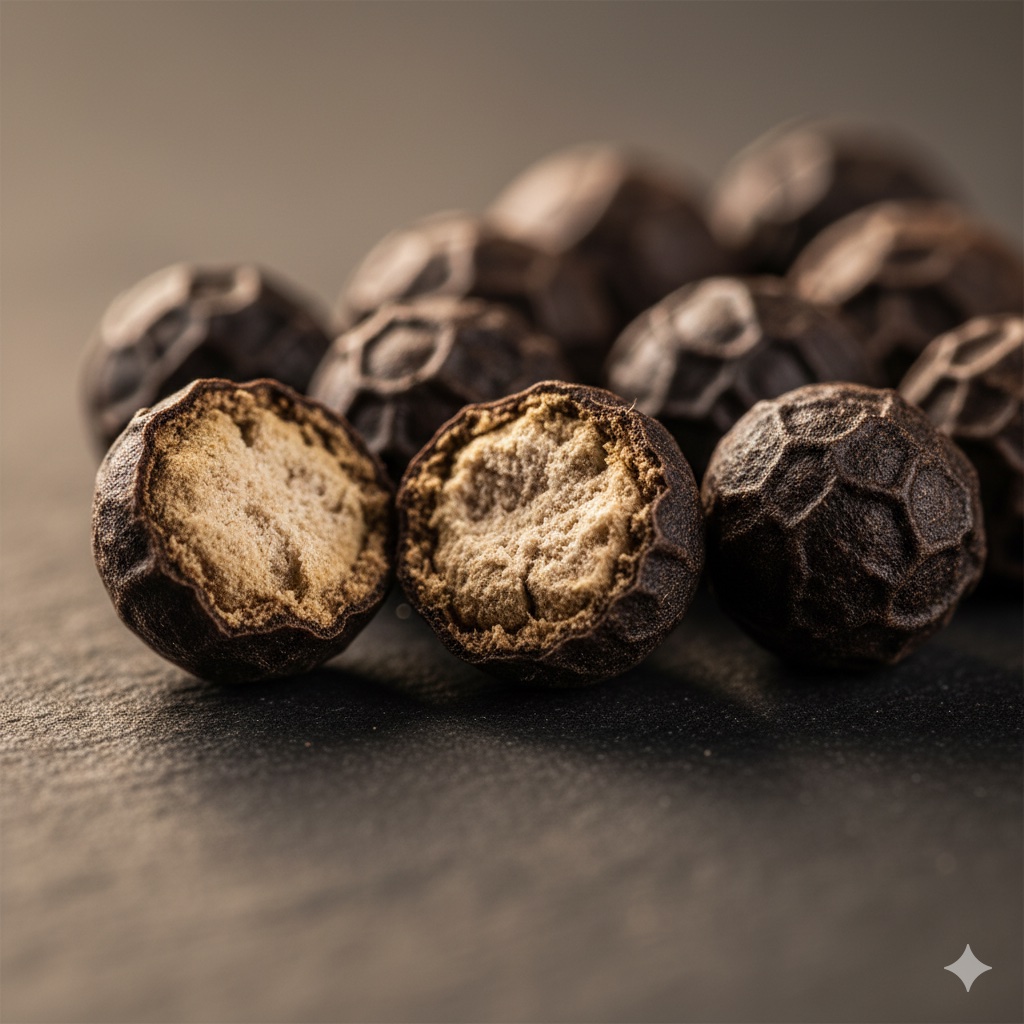
50 g of one named harvest lot in a sealed tin, dated and numbered. Our gift format and our cellar format — bought by chefs who want to taste one slope across three seasons.
My grandfather sold his pepper into a pile with everyone else's. I print the lot number. That is the whole business.
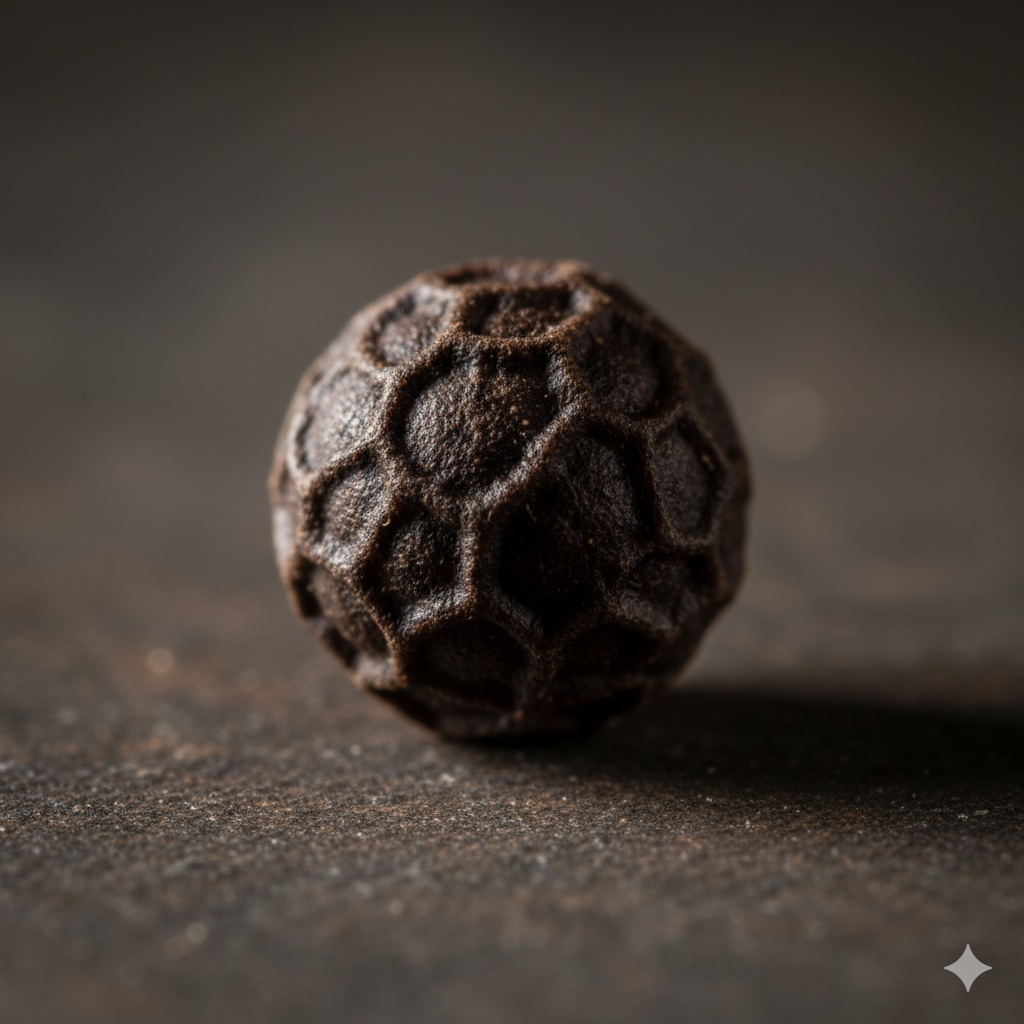
Every peppercorn in a Kāli pouch wrinkled in the same Idukki sun, on the same woven mat, in the same week. None of it was pooled, none of it was blended, and none of it lost its name on the way to you.
It is the most ordinary spice in the world, sold the way the rarest ones are: single-origin, dated, and whole.
एक ढलान · from one slopeKāli is an invented brand built to show what Exporado does for growers, estates, and specialty-food makers selling something the world thinks it already knows. The dark register, the single-word wordmark, the lot-number honesty — all of it is ours, and all of it can be your label's, in the language your product actually deserves.